
Many industries have moved away from selling physical products such as films, books, video games and computer software towards digitalisation of the distribution network through streaming and downloads. As the digitalisation of distribution steadily increases, so does the number of consumers seeking their rights when receiving faulty digital products.
 If you are a business selling digital products to UK residents, there are a few things you need to get familiar with, the most important being consumer rights. The Government enhanced consumer protection with the Consumer Rights Act 2022 to protect the rights of consumers buying digital content.
Here we shed light on the main objectives of the Act and what businesses selling digital content need to know.
What classifies as digital products?
Digital products or content is any data that is produced and delivered in a digital format.
Here are some examples:
- Films
- Mobile phone apps
- Ebooks, online courses and other e-publications
- Video games
- Virtual items purchased in-game
- Personal digital greeting cards
- Personal information, such as content on social media accounts
- Computer software
- Music files
- Virtual currency, among many others.
Besides being tangible, like a CD or a DVD containing film or music, digital content can also be streamed online or in the form of virtual items purchased when playing a video game, such as a car, pets, cosmetics, mounts and skins.
The Consumer Rights Act and traders
Here are the following traders covered by the Act:
- An individual
- A company
- A charity
- Public authority
- Local authority
- A Government department
The Act also covers persons who hire others to make contracts for digital products with customers or sub-contractors who supply their digital content. In addition, traders operating outside the UK but promoting their digital products to consumers in the UK also have to comply with the legislation.
The Consumer Rights Act and consumers
A consumer is an individual who purchases digital products and services for personal use. This is not to be mistaken with businesses that buy services and goods for personal use on a trade account, as the law doesn’t consider them to be consumers.
Consumer Rights Act on digital products does not apply in the financial, healthcare and gambling services sectors.
What should consumers expect?
All digital content and services must meet certain conditions of durability and quality. The downloaded products must be delivered as agreed in the contract made with the consumer.
Under consumer law, consumers who purchase digital products through downloading or streaming have certain rights when the digital product they receive is corrupted or fails to work.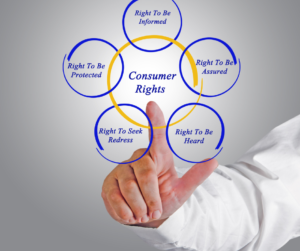
A consumer has the right to seek repair, replacement and reimbursement when the digital goods are not:
- of satisfactory quality
- fit for purpose, and
- as described by the seller
In such cases, the seller must resolve the issues in the shortest possible time.
Consumer cancellation rights and refunds for digital products
Under The Consumer Contracts (Information, Cancellation and Additional Charges) Regulations 2013, digital downloads are dealt with differently.
If a consumer wants to download digital content within 14 days of buying it, they will have to give their consent to waive the 14-day cooling-off period.
If they don’t give their consent, they won’t be able to download their digital content until the 14-day cooling-off period has ended. This is to prevent them from changing their mind after they have downloaded the content. However, it’s really important that your terms include this information otherwise you could be penalised for not providing them with the required information.
Takeaway
As a business that sells digital products and services, you must meet specific requirements and comply with the law.
Do you need assistance with your terms of sale when selling digital products?
We can draft bespoke terms of sale that will comply with the regulations, so don’t hesitate to contact us.