
Influencer marketing is when people use their social media platforms to promote brands, often in return for payment or free products. It’s become a go-to strategy for small businesses, offering a more personal and cost-effective way to reach the right audience. One trend that’s really taken off is the rise of “kidfluencers” – young children with influencer accounts, usually run by their parents or guardians, who work with brands just like adult influencers do.
If you’re working with influencers (or you are one), it’s important to know there are legal rules to follow, especially when children are involved. From disclosure requirements to adhering to the Social Media Advertising Regulations UK and the Child Influencer Protection UK, these rules are there to keep things fair and safe for everyone.
Legal Basics for Influencer Marketing in the UK
In the UK, influencer marketing is primarily shaped by two main sets of rules, which together comprise what is known as Influencer Advertising Law UK.
- The CAP Code – this covers aspects such as social media ads and is enforced by the Advertising Standards Authority (ASA).
- The Consumer Protection from Unfair Trading Regulations 2008 (CPRS) – these are enforced by the Competition and Markets Authority (CMA)
Here’s what that really means for influencers and brands:
If you’re getting anything in return for a post, whether it’s money, a freebie, or a discount, that counts as an ad. And when something is an ad, it has to be labelled clearly so followers know right away.
That means using clear terms like “#ad” or “Advertisement” right at the start of the post, video, or caption. Just saying “Thanks to [brand]” or “In partnership with…” isn’t enough – it can still mislead people.
And importantly, if the post isn’t properly labelled or is misleading in any way, both the influencer and the brand can be held responsible.
What Should Brands and Influencers Do to Stay Compliant?
To keep things transparent and ensure you’re working with influencers legally, it’s important for both brands and influencers to clearly agree on expectations and put everything in writing. A simple agreement should cover: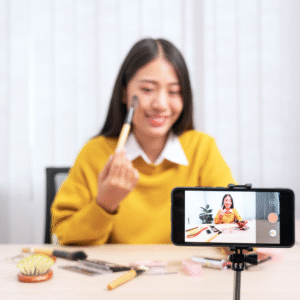
- What’s being exchanged – whether it’s money, a free product, or a service.
- What the influencer will post and on which platforms.
- How the influencer will handle disclosure – which hashtags they will use, etc.
It’s also a good idea to keep a copy of the agreement and a record of when the content was posted.
And remember: even if no money changes hands, gifting a product in return for a post still counts as an ad – and it needs to be properly disclosed, as per the Social Media Advertising Regulations UK.
The Legal Grey Area Around Kidfluencers
A “kidfluencer” is a child under the age of 16 who promotes brands or earns money through their social media presence. While this is a growing trend, there’s no specific legislation in the UK yet to regulate kidfluencers. However, there are several important considerations when it comes to kidfluencers’ legal issues UK.
- Under the Children and Young Persons Act 1933 and 1963, children working in TV, theatre, or film often need a performance licence from their local council. These laws weren’t written with social media in mind, but if a child is regularly appearing in paid content, their parent or guardian may still need to apply for one.
- Earnings and Hours: UK law does not currently have specific rules regarding the amount of money a kidfluencer can earn, the number of hours they can work, or the requirement for platforms to track their income. This is different from places like France, where any income earned by a child influencer must be placed in a trust to protect the child’s future. This highlights the importance of establishing Child Influencer Protection UK to better safeguard the interests of young influencers
There are also some ethical concerns to consider when working with kidfluencers, including:
- Consent and Privacy: Children can’t fully understand the long-term consequences of being online or giving permission to share their lives. Even if parents manage the account, it’s important to consider whether the child can truly consent to such public exposure at a young age.
- Safeguarding: There’s a real risk that children can be overexposed, leading to exploitation or burnout. Constantly being in the spotlight can take a toll on their mental and emotional well-being, especially if they’re pushed too hard to create content or deal with negative comments.
- Parental Control: While parents usually run the influencer accounts and handle the finances, it’s important that they don’t overstep boundaries. Parents must manage the balance between helping their child and protecting them from the pressures of the influencer world. It’s a responsibility that shouldn’t be taken lightly.
If a business is working with a child influencer, here are a few key steps to follow:
- Always go through the parent/guardian: Make sure all communication and agreements go through the child’s parent or guardian. They are the legal and responsible party in managing the child’s online presence and safety.
- Get a signed agreement: Have a clear, written agreement outlining the terms of the collaboration, including content expectations, compensation, and disclosure requirements. This helps avoid any misunderstandings and ensures everything is above board.
- Be cautious and sensitive: Be mindful of the child’s age, emotional state, and personal boundaries, and ensure the content remains age-appropriate.
Practical Tips for Brands Working with Influencers (Including Kids)
By following these simple tips, brands can collaborate with influencers, including children, in a manner that is both ethical and compliant with advertising regulations, in line with ASA influencer guidance.
Ask: Is there any payment, gift, or reward involved?
If the answer is yes, it’s considered an ad. Always make sure that any exchange, whether monetary or in-kind, is clearly disclosed as a paid partnership or promotion.
Ensure Clear Disclosure:
Make sure the influencer knows they need to include a clear disclosure at the start of any post or content. For example, using #ad or ‘Advertisement’ to indicate that the content is sponsored.
If Working with a Kidfluencer:
Always involve the parent or guardian. You must have a signed agreement that clearly outlines expectations, content details, and compensation.
Keep Evidence:
Save screenshots of agreements, as well as post dates and any relevant communication. This helps protect both you and the influencer in case there are any questions later on.
Avoid Vague Language:
Don’t use terms like “brand ambassador” unless they are clearly explained and disclosed. If an influencer is being paid for ongoing promotion, that’s still considered an ad, and it must be disclosed as such.
Be Prepared
Influencer marketing can be incredibly effective for reaching your target audience, but it’s essential to follow the UK influencer rules. Ensure you have solid contracts in place, clearly disclose paid partnerships, and exercise extra caution when working with children.
If you’re ready to take the next step in ensuring your influencer collaborations are fully compliant, contact us and we can help you with a contract that will protect you.
And last, but not least, sign up for our newsletter for regular legal tips and updates to stay ahead of any changes in the influencer marketing landscape.
Let’s make your influencer campaigns both successful and compliant!