
Marketing and advertising are necessary for a business’s success, whether you run a small company or a large organisation. Under the Advertising Law, marketing, in any of its forms (email, social media, traditional and influencer marketing, etc.), has to be accurate, truthful, evidence-based, and socially responsible. In this Marketing Legal Guide we are going to impart on knowledge to help you.

Since advertising and promotion rely on data, regulatory bodies ensure that customers are protected by focusing on areas such as data protection, customer rights, fair advertising, and anti-spam practices. To avoid disputes and heavy fines when promoting your business, you have to learn all about the legal practices in marketing.
Read on and we will share some hints and tips about what marketing companies should implement to protect you and minimise disputes down the road.
Compliance and email marketing
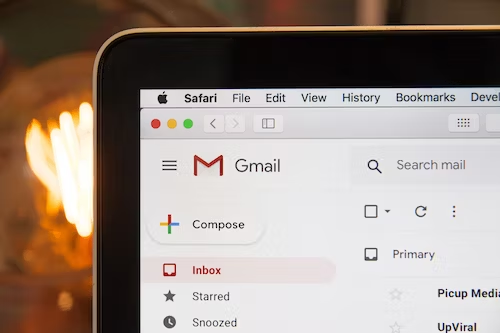
Marketing professionals need to understand the limitations around personal data and different types of advertising strategies, such as email marketing. Since email advertising uses personal data, the UK General Data Protection Regulation (GDPR) rules apply.
However, email marketing rules also fall under the Privacy and Electronic Communications Regulations (PECR), which has strict rules about using emails for direct marketing. Needless to say, you must consider the rules under both the UK GDPR and PECR when creating your email advertising strategy.
This Marketing Legal Guide shares some of the guidelines that will help you build a GDPR-friendly email marketing strategy:
- You must inform your customers of their right to object to any advertising and promotional material when you first contact them.
- You must seek customers’ consent before you send them anything asking for permission to use their personal data.
- You must ask customers for permission in order to share their personal data with third parties.
- Your customers should have the option to opt out of receiving direct promotions.
Following these legal practices in marketing, you’re a step closer to ensuring compliance.
How to comply with GDPR for marketing
Every website in the UK must include legal information about their company in order to comply with GDRP rules. There are specific steps you can take to make your website compliant. These include anything from a Privacy and Cookie Policy to a compliant Cookie Popup to a Data Processing Agreement (DPA). To ensure your business complies with the legal rules about advertising and promotion, follow this marketing legal guide:
- Audit the database by identifying and analysing all personal data you’ve collected.
- Update your privacy policy to ensure it includes information on how you’re using and processing personal data and whether third parties are involved.
- Include a cookie policy that explains to customers the type of cookies you use and their purpose, and give them the option to either accept certain cookies or opt-out.
- Consideration for compliant data processing (DPA or clauses in your contract). The Data Processing Agreement is a legally binding contract that you must have if you share a customer’s personal data with other parties and ask them to process it in some way. Examples of this are if you use a Virtual Assistant or other service provider and ask them to do something with your customer data. In this case, you must ensure that you use the correct legal basis (see below) to process their data. You must also warn, assist and advise your customers about potential risks with their data processing. Don’t foget to safeguard the data your customers entrust you with.
- Establish the legal basis for processing data. This includes how you process data, the type of business you run and whether your legal basis for contacting customers and processing their data is correct.
Final thoughts
We understand the importance of building brand awareness with marketing while also acting according to restrictive advertising and other regulations. However, a breach of these regulations can lead to legal and financial risks, which is why you need to seek help from legal professionals. One of the first steps that you can take to protect, not only your own business, but your clients’ too, is by using an industry-specific contract. By doing so will not only portray you as professional but it will also safeguard your business and minimise disputes.
We offer legal services on a broad range of advertising and promotion matters, from drafting T&Cs and advising on the GDPR to ensuring your intellectual property is protected.
Get in touch today so we can arrange virtual consultations and help you answer your questions.